Sewer Line Repair in Perrysburg, OH
A two-speed town, underground
Perrysburg runs on two clocks. Downtown, around Louisiana Avenue and the river, it’s one of the oldest settlements in northwest Ohio, with housing stock reaching back toward the 1830s. Drive ten minutes south or east and you’re in subdivisions that didn’t exist when their owners were in high school, part of the building boom that has run from the 1990s through today.
Those two Perrysburgs have opposite sewer problems. The downtown blocks carry the old-town package: clay tile laterals with a century or more of joint wear, root pressure from mature street trees, and the occasional line that’s been patched across three different eras of material. The subdivisions carry the new-construction package: PVC laterals whose plastic is fine but whose installation is the variable. In this region’s soft, settling clay, a lateral bedded carelessly in 1998 or 2015 develops a belly, a low spot that holds water and, eventually, everything else.
That belly problem deserves its own sentence, because it surprises people. A ten-year-old house with a sewer problem feels impossible, but the camera finds standing water in young plastic lines here regularly. The pipe didn’t fail. The ground under it did, and geometry can’t be fixed from inside the pipe.
Perrysburg also trades hands a lot, and both housing eras reward a pre-purchase scope: downtown because the line might be 120 years old, the subdivisions because grade defects hide in brand-new lawns. Either way, the approach is the one used across the whole service area: footage first, conclusions second.
What Perrysburg homes typically need
The camera inspection carries this town, and the split housing stock gives it two distinct jobs. In the historic blocks it inventories old, jointed lines. In the plats it checks grade and joints on young plastic, including for buyers mid-purchase who need answers inside an inspection window.
The fixes split the same way. Old downtown clay with failing joints is a natural candidate to qualify for trenchless renewal, sparing the mature streetscape above it. Settled sections in newer lines usually mean re-laying that run at proper grade, since a belly is a ground problem, not a pipe problem. The footage says which situation is which before any method gets named.
The transaction work deserves its own mention because Perrysburg generates so much of it. Between the historic housing changing hands and the subdivisions turning over as families size up and down, buyers here order sewer scopes year-round, and the two housing eras give the scope two different jobs: verifying a century of service on one street, verifying original installation quality on the next.
Coverage across the river is routine: about twenty minutes from central Toledo via I-75 or the Anthony Wayne Trail, with Wood County paperwork instead of Lucas County, and scheduling identical to anywhere else in the area.
Our Services
-
Sewer Camera Inspections
A camera run through the line shows what's actually wrong, and where, before anyone talks about digging or dollars.
Learn more
-
Sewer Line Repair
Not every failing line needs full replacement. Localized damage can often be repaired where it sits.
Learn more
-
Trenchless Sewer Replacement
Failing lines can often be renewed through small access points instead of a full-length trench across the yard.
Learn more
-
Pipe Lining
A resin liner cured inside the existing pipe creates a new, jointless pipe within the old one.
Learn more
-
Pipe Bursting
A bursting head breaks apart the old pipe while pulling a brand-new one into its place: full replacement through small access pits.
Learn more
-
Traditional Sewer Replacement
Some lines can only be fixed the old way: open the ground, remove the failed pipe, and set a new one.
Learn more
Areas We Serve
- Toledo
- Sylvania
- Maumee
- Perrysburg
- Oregon
- Holland
- Rossford
- Northwood
- Waterville
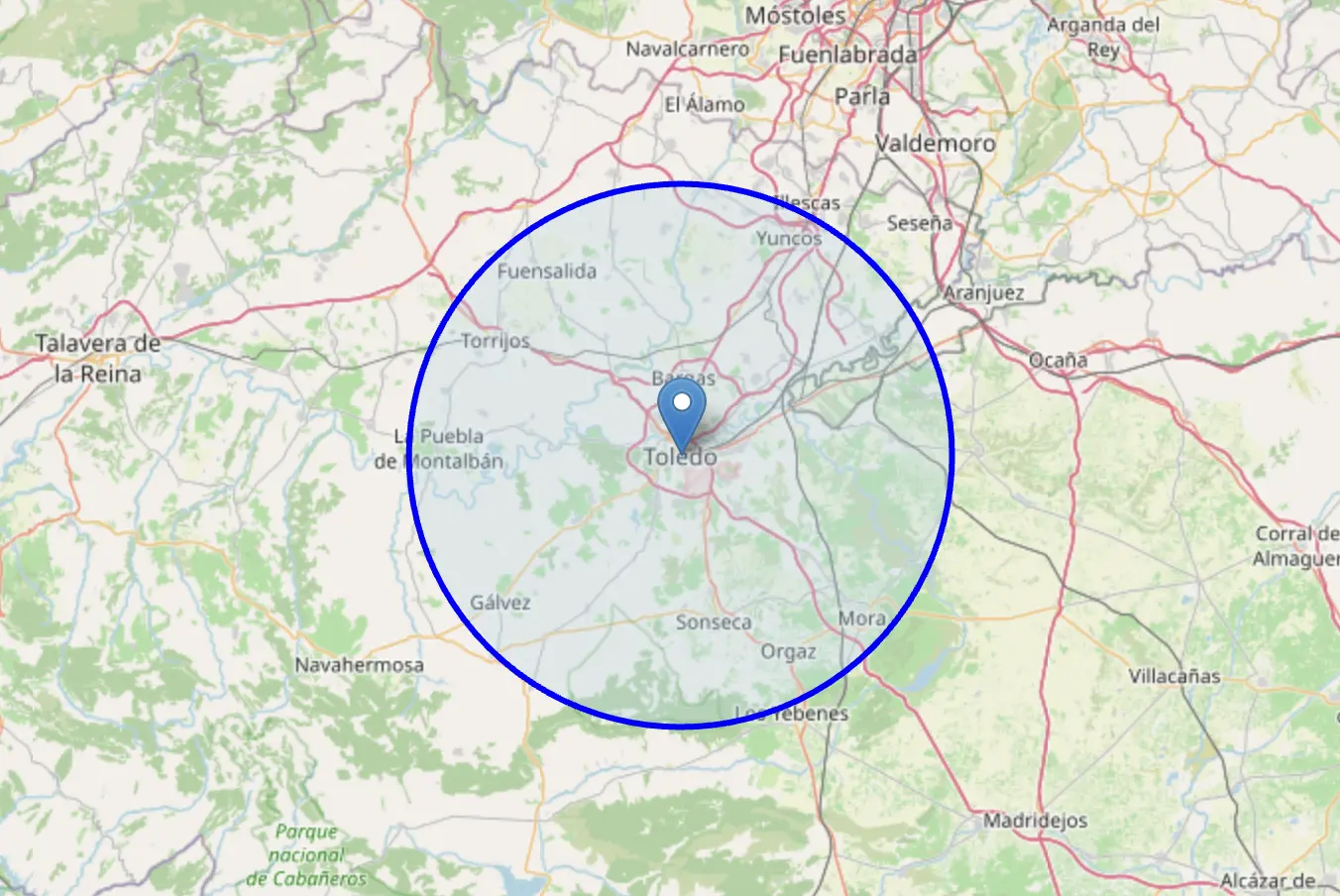
Find local details for each community on our service-area pages.
Frequently Asked Questions
My Perrysburg subdivision house is from 2005. Can it really have sewer trouble?
Yes, though a different kind than an old home. Plastic pipe from that era rarely fails as material. What shows up instead is geometry, a belly where soil settled under the line, or a joint pulled by ground movement. Camera footage identifies both in minutes.
Perrysburg is across the river. Does that affect service?
Not much. Perrysburg is about twenty minutes from central Toledo via I-75 or the Anthony Wayne Trail, an ordinary run inside the everyday service area. Being in Wood County changes permit offices, not drive times.
Should Perrysburg homebuyers bother with a sewer scope on a newer house?
It's cheap certainty either way. On a downtown-era home the scope checks a line that can be over a century old. On a newer build it verifies the lateral was installed at proper grade, which is exactly the defect a builder's walkthrough never catches.