Sewer repair in Toledo that looks before it digs
The line gets inspected first. Then it gets the fix it actually needs, from a spot repair to full replacement.
Start with what the pipe says
Two kinds of Toledo homeowners search for sewer help. The first has a problem with no name yet: a floor drain that backed up last night, a gurgle that’s getting louder, a smell in the yard. The second already has a name and a number, because a plumber ran a camera, said the line was shot, and handed over a replacement quote big enough to lose sleep over.
Both start in the same place: a camera inspection that shows what’s wrong and exactly where. No method gets proposed before that footage exists. A company that leads with a dig, or a liner, before anyone has looked inside the pipe is guessing, and it’s guessing with your yard and your money.
The housing here makes guessing especially expensive. Toledo is an old city by Midwest standards, and a huge share of its homes went up before 1960, draining through clay tile laterals that have spent the better part of a century under attack from roots and swelling soil. Old lines fail in several distinct ways, and each one has a different right answer.
If you’re still at the symptoms stage, the guide to the signs of sewer line failure maps each one to what it can mean. If you’re at the quote stage, keep reading. This whole site was built for that kitchen-table moment.
Signs the main line is struggling
-
Backups at the lowest drain
The basement floor drain overflows while water runs somewhere else.
-
Gurgling fixtures
Toilets and tubs make noise when air is trapped in the line.
-
Sewage odor indoors or in the yard
A smell that comes and goes with no visible source.
-
Soggy or sunken patches in the yard
Wet ground over the line's path during dry weather.
-
Clogs that keep coming back
The same drain needs the same snake every few months.
-
Roots found on a past camera run
Cleared roots grow back to the gap they used before.
Any one of these is a reason to look inside the line before guessing at fixes.
Our Services
-
Sewer Camera Inspections
A camera run through the line shows what's actually wrong, and where, before anyone talks about digging or dollars.
Learn more
-
Sewer Line Repair
Not every failing line needs full replacement. Localized damage can often be repaired where it sits.
Learn more
-
Trenchless Sewer Replacement
Failing lines can often be renewed through small access points instead of a full-length trench across the yard.
Learn more
-
Pipe Lining
A resin liner cured inside the existing pipe creates a new, jointless pipe within the old one.
Learn more
-
Pipe Bursting
A bursting head breaks apart the old pipe while pulling a brand-new one into its place: full replacement through small access pits.
Learn more
-
Traditional Sewer Replacement
Some lines can only be fixed the old way: open the ground, remove the failed pipe, and set a new one.
Learn more
-
Tree Root Intrusion
Roots find their way into aging lines through joints and cracks. Clearing them treats the symptom; the camera shows how bad the cause is.
Learn more
How a sewer project usually goes
- 1
Camera inspection
A camera travels the line and records what's wrong and exactly where.
- 2
Findings reviewed
You watch the footage and hear each problem named in plain terms.
- 3
Options laid out
Repair, lining, bursting, or excavation, matched to what the footage shows.
- 4
The work
The chosen method gets done, with permits and scope settled in writing first.
- 5
Verification
The line gets checked again so the fix is confirmed, not assumed.
Find out what's actually wrong before anyone talks methods or money.
Why the method should follow the camera
A sewer line can be repaired at one spot, lined from the inside, burst and replaced through pits, or dug up and re-laid. Every one of those is the right call for some pipe and the wrong call for another. The line’s condition decides between them, not the sales pitch, and the condition lives on the footage.
That order protects you in a specific way: it makes the recommendation checkable. When findings come with distances and video, you can hold the proposed fix against the evidence, get a second opinion on the same pictures, and compare bids that are all talking about the same pipe. Knowing what a camera inspection should show you is most of the protection a homeowner needs in this trade.
It also keeps the options honest in both directions. Footage that shows one bad joint spares you a replacement you didn’t need. Footage that shows a line failing everywhere spares you a cheap patch that buys six months. And when replacement is real, the same footage says whether trenchless options can renew the line without trenching the yard, or whether digging is the honest answer.
Good sewer work looks like this everywhere, not just here. Inspect, show, then propose. Anything else is asking you to buy blind.
What Toledo ground does to sewer lines
Toledo sits on the bed of the former Great Black Swamp, and every buried pipe in town lives with that fact. The soil is dense lakebed clay that swells when wet and shrinks when dry, working joints apart season after season. The grade is nearly flat, so laterals run long and shallow with little fall, and a small sag becomes a pocket that holds water and catches solids. In low-lying neighborhoods the water table adds pressure from outside the pipe.
The housing eras layer onto that ground. Streets in the Old West End and across West Toledo were built before the Depression, with clay tile laterals in short sections and a joint every few feet, right under tree lawns planted with maples and oaks that are now enormous. Postwar neighborhoods added mid-century materials, including fiber pipe that fails by flattening. Newer construction out toward the edges drains through plastic, which resists roots but still settles into bellies in this clay.
Weather runs its own schedule against all of this. Freeze-thaw works on shallow lines every winter, wet springs swell the clay and push groundwater into every leaky joint, and the older parts of the city run combined sewers that can surcharge in hard rain, sending backups upstream into basements that did nothing wrong. A problem that only appears in storms and a problem that appears every Tuesday have different causes, and sorting them is half the diagnosis.
So the common calls here follow a pattern. Repeat backups in older neighborhoods that turn out to be roots at a century-old joint. Standing-water bellies under flat lawns. Mid-century lines deformed past saving. Rain-linked basement trouble that traces to the system rather than the house. And every so often a line that just needs one honest spot repair. The camera tells them apart, which is the whole point of putting it first.
Areas We Serve
- Toledo
- Sylvania
- Maumee
- Perrysburg
- Oregon
- Holland
- Rossford
- Northwood
- Waterville
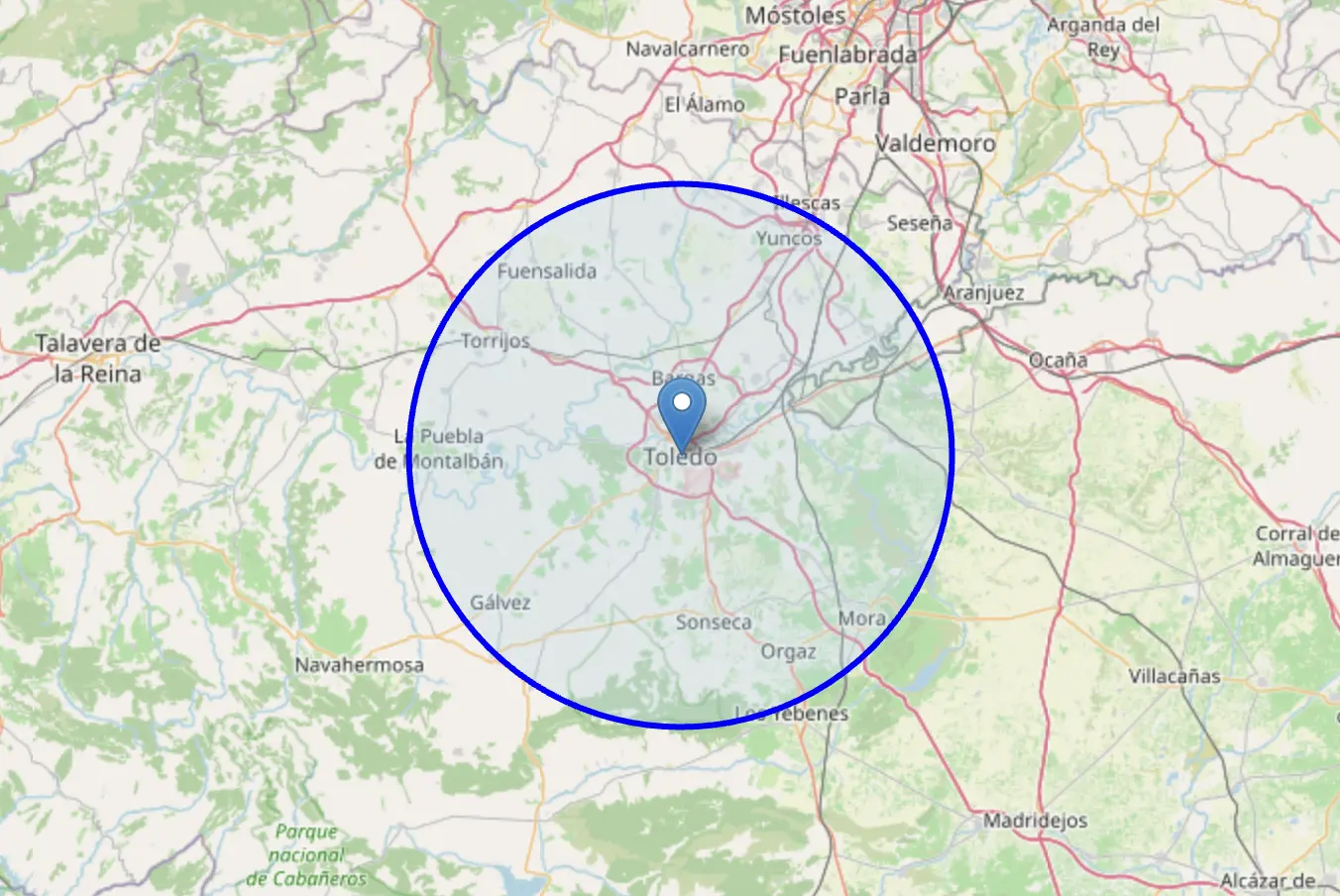
Find local details for each community on our service-area pages.
Frequently Asked Questions
How do I know if the problem is my sewer line or just a clogged drain?
A single slow fixture usually points to a local clog. When more than one drain backs up at once, or the lowest drain in the house gurgles or overflows while water runs elsewhere, the main line is the likely suspect. A camera inspection settles it by showing what is actually in the pipe.
Can a sewer line really be fixed without digging up the yard?
Often, yes. Trenchless methods like pipe lining and pipe bursting renew or replace a line through small access points instead of a full-length trench. Not every line qualifies. A camera inspection is how you find out whether yours does.
Should I get a second opinion on a big sewer replacement quote?
It is a reasonable step, and a common one. A legitimate diagnosis includes camera footage you can watch and problems that are located and named. If a quote came without those, a second camera run is a small cost next to a full replacement.
What happens during a sewer camera inspection?
A small waterproof camera goes into the line through a cleanout or other access point and travels its length. The operator watches the video feed, notes what the pipe is made of, and records where problems sit. The findings are then reviewed with you before any repair method is discussed.
Who is responsible for the sewer line under my yard?
In most places, responsibility splits somewhere along the line between the home and the city main. Where that split falls varies by city, so the local rule is worth checking before any work begins.
How much does sewer line replacement cost?
It depends on the length and depth of the line, how easy it is to reach, and which repair method fits. That is why a camera assessment comes first: it defines the actual scope, and the scope is what drives the number.