Sewer Line Repair in Oregon, OH
Flat ground, high water, patient pipes
Oregon is Toledo’s east-side neighbor, and it’s postwar almost everywhere: block after block of 1950s and 60s ranches built for the refinery and plant workforce, on ground so flat it barely knows which way the lake is. That flatness, plus Lake Erie sitting right there, defines what sewer lines in Oregon deal with.
Start with fall, or the lack of it. A lateral needs slope to carry solids, and Oregon lots offer as little natural fall as anywhere in the metro. Lines here were laid at the minimum grades the flat land allowed, so there’s no margin: an inch of settlement that a hillier town would shrug off becomes a flow problem in Oregon. Slow drains with no obstruction in sight are a classic east-side finding, and the camera usually locates a shallow belly to explain them.
Then the water table. This close to the lake, the ground is saturated for a good part of the year, which pushes water against every joint from outside. Aging lines here don’t just leak out, they let groundwater in, and that infiltration shows up as backups and odors that track rainfall rather than household use. It also means a leaking joint never dries out, which keeps root growth fed all season.
The pipes themselves are the postwar mix: late-era clay tile and mid-century materials, including the fiber pipe that deforms with age, all now past sixty. It’s a different failure profile than Toledo’s pre-war neighborhoods, less about century-old joints, more about tired mid-century materials lying nearly flat in wet ground. Same starting move as everywhere else in the area, though: look inside the line before touching it.
What Oregon homes typically need
The camera inspection earns its keep in Oregon by sorting three look-alike problems: a bellied line, a root blockage, and rain-driven infiltration all produce similar symptoms upstairs, and each one has a different fix. The footage, and where the water sits in it, tells them apart.
For lines failing along their length, Oregon’s postwar materials make trenchless replacement a serious candidate when the geometry still qualifies, since a continuous new wall also shuts out the groundwater that flat, wet ground presses against every joint. Bellied runs are the honest exception. Lost slope has to be rebuilt, not lined over, and on ground with no fall to spare, that call matters more here than most places.
The fiber-pipe question comes up regularly too, given how squarely Oregon’s housing sits in those decades. When footage identifies a deforming mid-century line, the conversation moves to replacement method rather than repair, and the earlier that’s known, the more methods remain available. For ranch owners with no symptoms at all, that’s the argument for a baseline run: sixty-year-old pipe with a clean bill is worth documenting, and sixty-year-old pipe without one is worth catching early.
Coverage is about as easy as it gets: Oregon is roughly fifteen minutes east of central Toledo along Navarre Avenue or the parkway, one of the closest stops in the service area.
Our Services
-
Sewer Camera Inspections
A camera run through the line shows what's actually wrong, and where, before anyone talks about digging or dollars.
Learn more
-
Sewer Line Repair
Not every failing line needs full replacement. Localized damage can often be repaired where it sits.
Learn more
-
Trenchless Sewer Replacement
Failing lines can often be renewed through small access points instead of a full-length trench across the yard.
Learn more
-
Pipe Lining
A resin liner cured inside the existing pipe creates a new, jointless pipe within the old one.
Learn more
-
Pipe Bursting
A bursting head breaks apart the old pipe while pulling a brand-new one into its place: full replacement through small access pits.
Learn more
-
Traditional Sewer Replacement
Some lines can only be fixed the old way: open the ground, remove the failed pipe, and set a new one.
Learn more
Areas We Serve
- Toledo
- Sylvania
- Maumee
- Perrysburg
- Oregon
- Holland
- Rossford
- Northwood
- Waterville
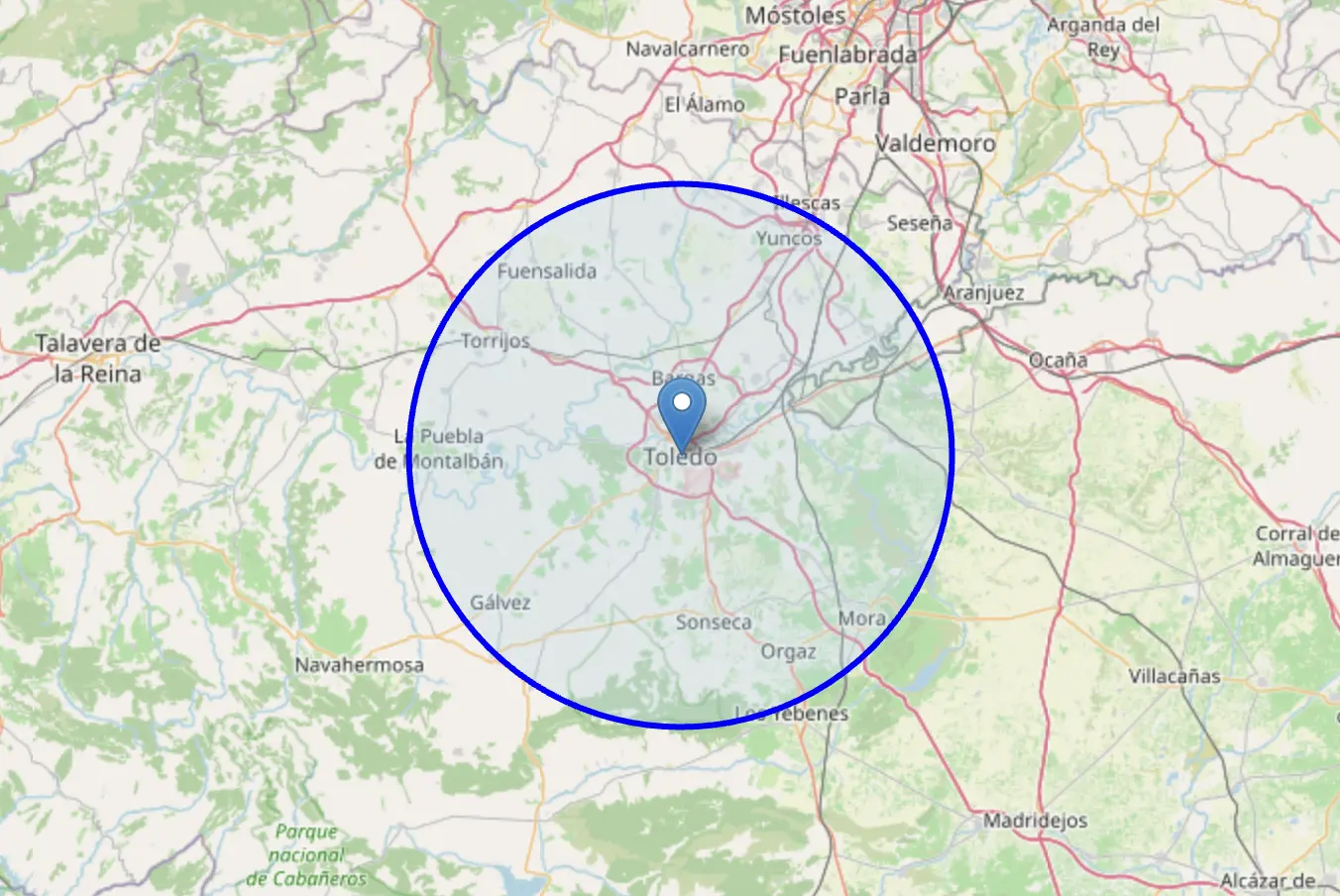
Find local details for each community on our service-area pages.
Frequently Asked Questions
Why does my Oregon basement smell after heavy rain?
Ground this flat and this close to the lake saturates fast, and a lateral with any leak lets that groundwater in. A surcharged line can push sewer gas through weak seals. Rain-linked symptoms usually point to infiltration, and camera footage shows where the water is entering.
Are Oregon's 1950s and 60s ranches at the risky pipe age?
They're squarely in it. Lines from those decades are sixty-plus years old, and the era's materials, late clay tile and fiber pipe, are at or past design life. A baseline camera run tells you which material your ranch drew and how it's holding up.
How far is Oregon from the Toledo base?
About fifteen minutes east along the lake, one of the closest communities in the service area. Scheduling is the same as for a Toledo address.