Sewer Line Repair in Northwood, OH
Built in exactly the wrong decades, pipe-wise
Northwood is a young city with mid-century bones. It incorporated in 1962, stitched together from township land as the east-side suburbs filled in, and its housing stock concentrates hard in the postwar decades: modest ranches and bungalows from the late 1940s through the early 1970s.
For most purposes that’s ordinary suburban history. For sewer laterals it’s a specific problem, because those are the Orangeburg decades. When materials ran tight after the war, a tar-impregnated wood-fiber pipe went into ground all over the country, sold under the Orangeburg name, and it kept going into new subdivisions into the early 1970s. It was never a long-term material. Under soil load it softens, blisters inward, and slowly flattens from round toward oval until flow gives out.
Not every Northwood home has it. Plenty of the era’s lines are late clay tile, and some have been replaced over the years. But a city whose housing clusters so tightly in the fiber-pipe window has a higher share of candidates than almost anywhere else in the metro, and every one of those laterals is now fifty to seventy-five years old, decades past the material’s honest expectations.
The way Orangeburg announces itself is gradual: drains that slow over months, backups that snaking fixes for shorter and shorter stretches, because a snake can’t round out a flattening pipe. That trajectory is worth interrupting with facts. The same first step that starts every job in the area settles the material question here for good: a camera in the line, reading what the postwar contractors actually buried.
What Northwood homes typically need
Job one in Northwood is identification. A camera inspection establishes within minutes whether a lateral is clay, fiber, or a mix, and if it’s fiber, how far the deformation has progressed. For any home of this vintage, that’s the single most valuable fact about the property’s plumbing.
When Orangeburg turns up, the conversation is about replacement method, honestly framed. Deformed fiber can’t host a liner, but a still-passable line may qualify for pipe bursting, which pulls new pipe through while destroying the old, one of the trenchless routes that spare the yard. Lines collapsed past passability go to open replacement, and the footage makes that call plainly. Clay lines here get the standard old-line playbook instead: spot repairs or lining as the joint damage dictates.
Timing is the quiet variable in all of it. A fiber line found while it’s still round has every replacement method open to it. The same line found after years of flattening may have burst its way out of the trenchless conversation entirely. That’s the practical argument for scoping a Northwood ranch before symptoms force the issue, and it applies double for anyone buying one.
Northwood is about fifteen minutes southeast of central Toledo via I-75 or Woodville Road, across the river in Wood County, an everyday run inside the service area.
Our Services
-
Sewer Camera Inspections
A camera run through the line shows what's actually wrong, and where, before anyone talks about digging or dollars.
Learn more
-
Sewer Line Repair
Not every failing line needs full replacement. Localized damage can often be repaired where it sits.
Learn more
-
Trenchless Sewer Replacement
Failing lines can often be renewed through small access points instead of a full-length trench across the yard.
Learn more
-
Pipe Lining
A resin liner cured inside the existing pipe creates a new, jointless pipe within the old one.
Learn more
-
Pipe Bursting
A bursting head breaks apart the old pipe while pulling a brand-new one into its place: full replacement through small access pits.
Learn more
-
Traditional Sewer Replacement
Some lines can only be fixed the old way: open the ground, remove the failed pipe, and set a new one.
Learn more
Areas We Serve
- Toledo
- Sylvania
- Maumee
- Perrysburg
- Oregon
- Holland
- Rossford
- Northwood
- Waterville
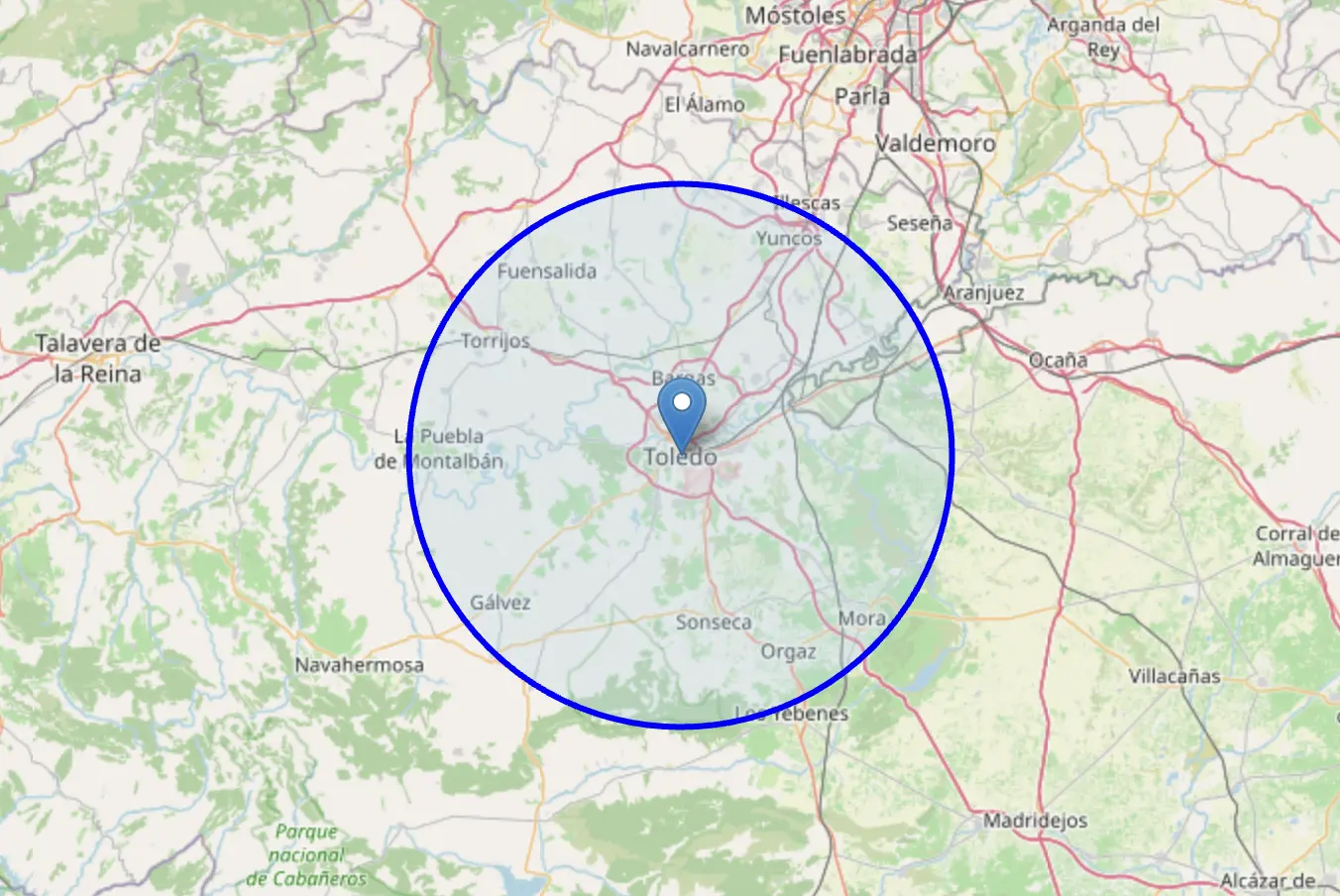
Find local details for each community on our service-area pages.
Frequently Asked Questions
How do I find out if my Northwood house has Orangeburg pipe?
A camera run answers it within the first few feet, and the material has a distinctive look on video, with deformed, egg-shaped sections in later stages. Homes built or re-piped from the 1940s into the early 1970s are the candidates, which describes much of Northwood.
If the camera finds Orangeburg, is replacement automatic?
Nearly. Fiber pipe fails by softening and flattening, so there's no sound host for a liner once deformation starts, and the material has no good years left regardless. The real question the footage answers is which replacement method the line's condition still allows.
How far is Northwood from the Toledo base?
About fifteen minutes southeast, just across the river into Wood County. It's an everyday run, and scheduling works the same as anywhere else in the service area.