Sewer Line Repair in Holland, OH
New pipes on old swamp
Holland and the Springfield Township area around it are the metro’s young corner. Most of the housing went up from the 1980s onward, subdivision by subdivision, which means the sewer laterals here are mostly PVC: long sections, gasketed joints, nothing for roots to pry open and nothing to corrode. By material standards, Holland has the best pipe in the region.
It also has some of the worst ground to lay pipe in. This southwest corner sat in one of the soggiest stretches of the old Great Black Swamp, farmland drained by ditch and tile long before the first cul-de-sac arrived. Ground like that never really finishes settling. It compresses under fill, swells and shrinks with the water table, and quietly rearranges whatever’s buried in it.
So Holland’s sewer problems are geometry problems. The classic finding is a belly: a young plastic line with a low spot where the soil dropped underneath it, holding a standing pool that catches paper and grease. The second finding is the pulled joint, where settlement stretched a connection until the gasket weeped. Neither is the pipe’s fault, and neither shows up in a house built on firmer ground with the same materials.
The symptoms are correspondingly sneaky. Not the dramatic backup of a root-choked clay line, but drains that run slow on humid weeks, a fixture that gurgles some seasons and not others, a cleanout that smells after rain. Homeowners here often get told their nearly-new line “can’t” be the problem. The camera-first approach used across the whole area is how you skip that argument entirely: footage of water sitting level in a low section ends the debate in one screen.
What Holland homes typically need
Diagnosis leads everything here, because Holland’s failures hide. A camera inspection maps exactly where the line sits low and how much water it holds, turning “the drains seem slow” into a measured finding at a known distance.
The fixes are more surgical than in the old-pipe towns. A settled section usually means re-laying that run at proper grade, a targeted dig rather than a full replacement, since the rest of the line is typically healthy plastic. Full-line work is rarer here, and when a line does need wholesale help, the footage determines whether trenchless methods fit, with one honest caveat that matters in this soil: lining follows the old pipe’s path, so it can’t fix a belly. Around Holland, that caveat does a lot of work.
Buyers in the newer subdivisions have their own use for the camera. A pre-purchase scope on a ten- or twenty-year-old house isn’t checking for age. It’s checking for grade, the one defect a young line can carry from day one, and the one no walkthrough or general inspection will ever see.
Coverage is easy. Holland sits fifteen to twenty minutes southwest of central Toledo off Airport Highway, well within the everyday radius, and the township line changes nothing about scheduling.
Our Services
-
Sewer Camera Inspections
A camera run through the line shows what's actually wrong, and where, before anyone talks about digging or dollars.
Learn more
-
Sewer Line Repair
Not every failing line needs full replacement. Localized damage can often be repaired where it sits.
Learn more
-
Trenchless Sewer Replacement
Failing lines can often be renewed through small access points instead of a full-length trench across the yard.
Learn more
-
Pipe Lining
A resin liner cured inside the existing pipe creates a new, jointless pipe within the old one.
Learn more
-
Pipe Bursting
A bursting head breaks apart the old pipe while pulling a brand-new one into its place: full replacement through small access pits.
Learn more
-
Traditional Sewer Replacement
Some lines can only be fixed the old way: open the ground, remove the failed pipe, and set a new one.
Learn more
Areas We Serve
- Toledo
- Sylvania
- Maumee
- Perrysburg
- Oregon
- Holland
- Rossford
- Northwood
- Waterville
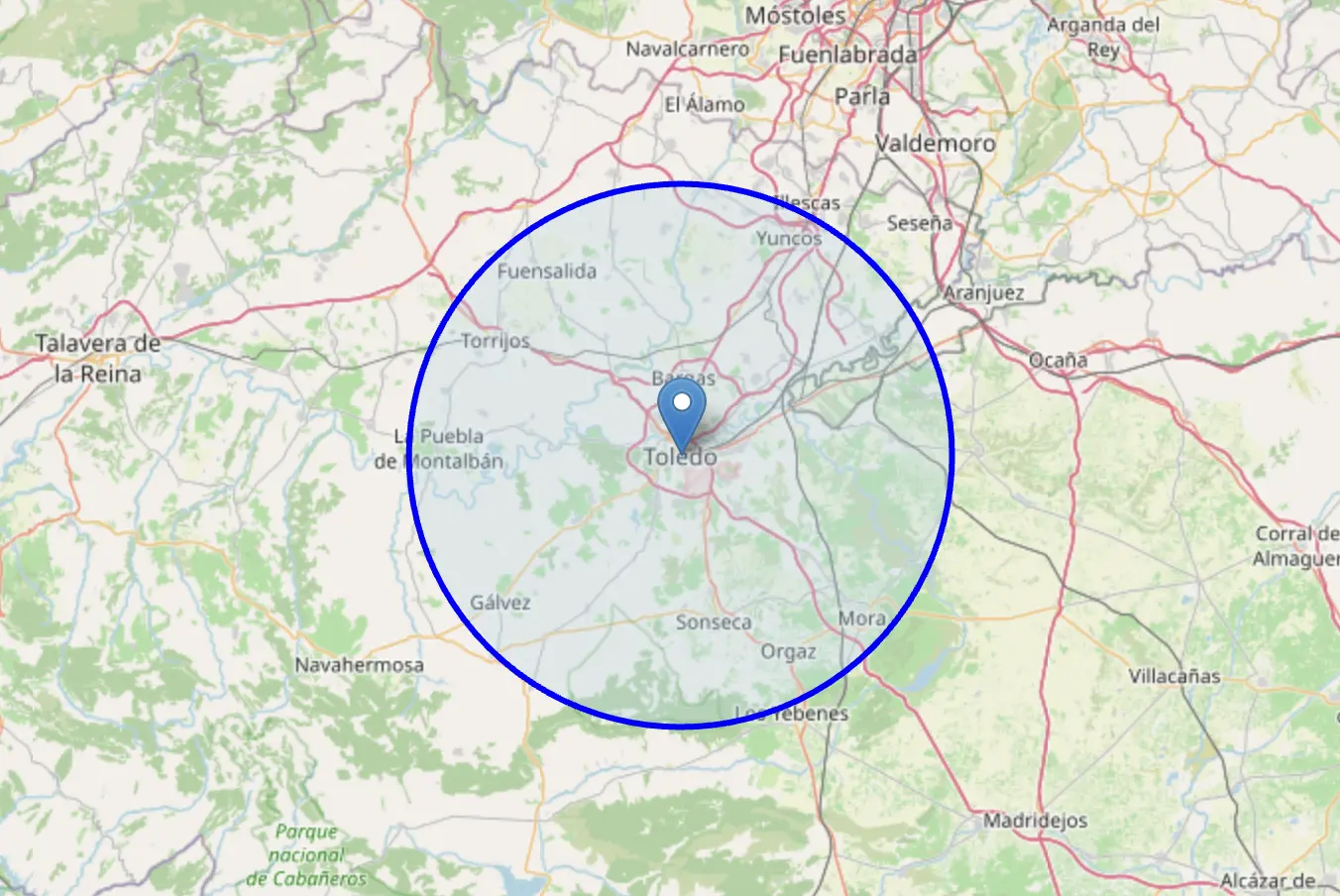
Find local details for each community on our service-area pages.
Frequently Asked Questions
My Holland house is from the 1990s. Why is the sewer line acting up already?
Almost certainly geometry rather than material. Plastic pipe from that era doesn't rot or invite roots, but the soft, wet ground this area is built on settles, and the pipe settles with it. A low spot holding water produces exactly the recurring slow drains people report.
Is Holland's ground really that wet?
Historically, yes. This corner of the metro was among the swampiest parts of the old Great Black Swamp, and the subdivisions here stand on ground that was drained for farming before it was drained for lawns. Modern grading manages the surface. The subsoil still moves and holds water.
How does scheduling work for Holland addresses?
Holland sits about fifteen to twenty minutes southwest of central Toledo off Airport Highway, comfortably inside the everyday service area. Nothing about scheduling changes at the township line.